The Victorian Government brought forward the cessation of native hardwood harvesting in State Forests to 1 January 2024, six years earlier than previously planned. This marks a defining moment for Victoria’s timber industry and the building industry, ushering in a new era of plantation-grown hardwoods as the foundation for future supply.
What does this new reality look like for architects, designers, and specifiers? And how can design professionals adapt with confidence as the industry transitions toward more sustainable, plantation-based resources?
While much of the industry is still grappling with the implications of the 2024 ban on native hardwood logging, Radial Timber has been laying the groundwork for a sustainable future for over two decades. Since 2004, Radial Timber has been actively establishing its own hardwood plantations, recognising early that the future of timber would need to be both environmentally sustainable and locally sourced.
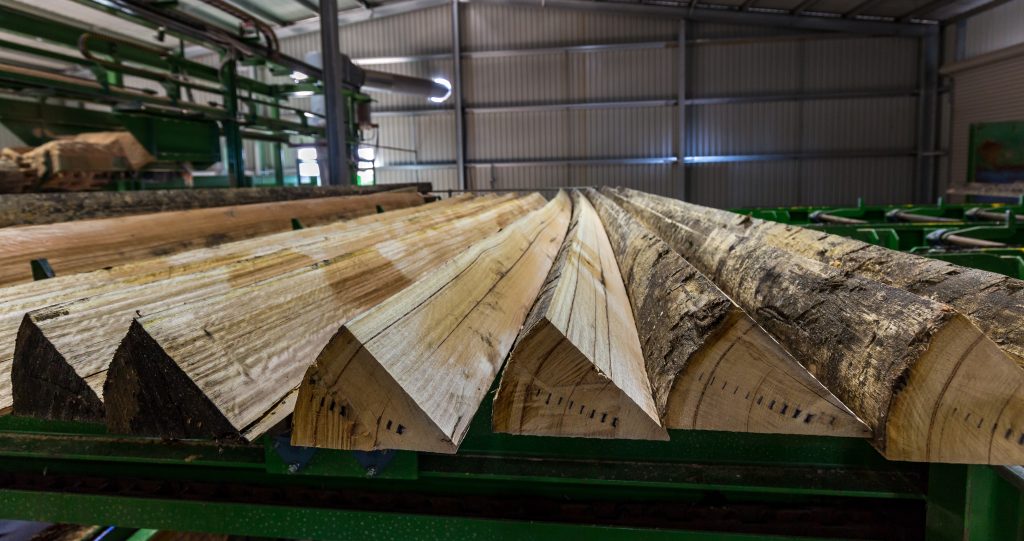
These plantations which primarily feature durable eucalypt species, chosen for their strength, stability and aesthetic appeal ensuring high quality structural and appearance grade products for generations to come. As plantation forestry evolves, architects will encounter a broader mix of species, each with its own unique working properties, tonal variations, and grain patterns. Learning to adapt to these differences will be key to successful specification and design.
We understand that this transition is challenging. That’s why we’re committed to working closely with architects, designers and builders to provide guidance, product transparency and performance data, so you can specify with confidence.
One of the most significant changes with the move to plantation hardwoods is the diversity of species now entering the supply chain. Unlike traditional native hardwoods, often drawn from a small number of well-known species, plantation timbers can include a wider mix of fast-growing eucalypts such as Silvertop Ash, Spotted Gum, Yellow Stringybark, Gippsland BlueGum, just to name a few.
Rather than specifying solely by species name, the industry is encouraged to specify by performance and appearance criteria, considering density, durability, colour range, and grain character. This opens creative opportunities to work with an expanded palette of materials while supporting a more resilient, sustainable supply.
Key Considerations:
- Understand new species: Plantation-grown eucalypts exhibit different growth patterns, colour tones, and densities compared to old-growth native hardwoods.
- Adapt detailing and specifications: Allow for natural variation, shorter lengths and species in your designs .
- Engage early: Discuss lead times, availability, and finish options to align with project timelines.
- Embrace flexibility: Specify by performance and appearance criteria, not just traditional species name to broaden your options.
- Celebrate diversity: Mixed species applications can add richness, texture and colour variation to a project, enhancing its visual story.
Finding beauty in Irregularity:
The upside to this shift is a richer material expression. With creativity, architects and designers can use these new norms to their advantage by turning perceived limitations into defining design features.
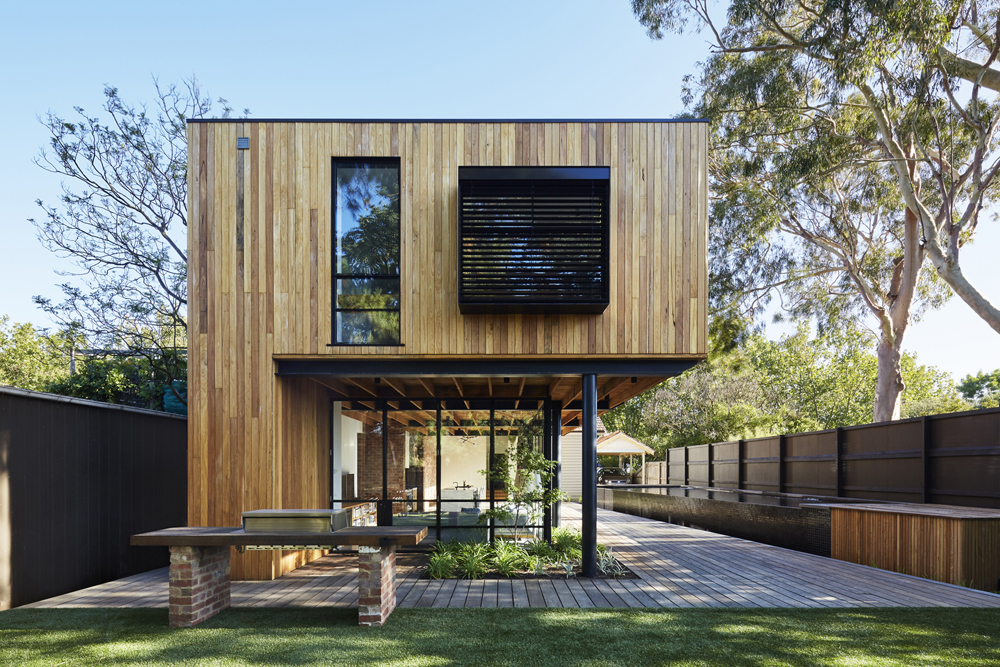
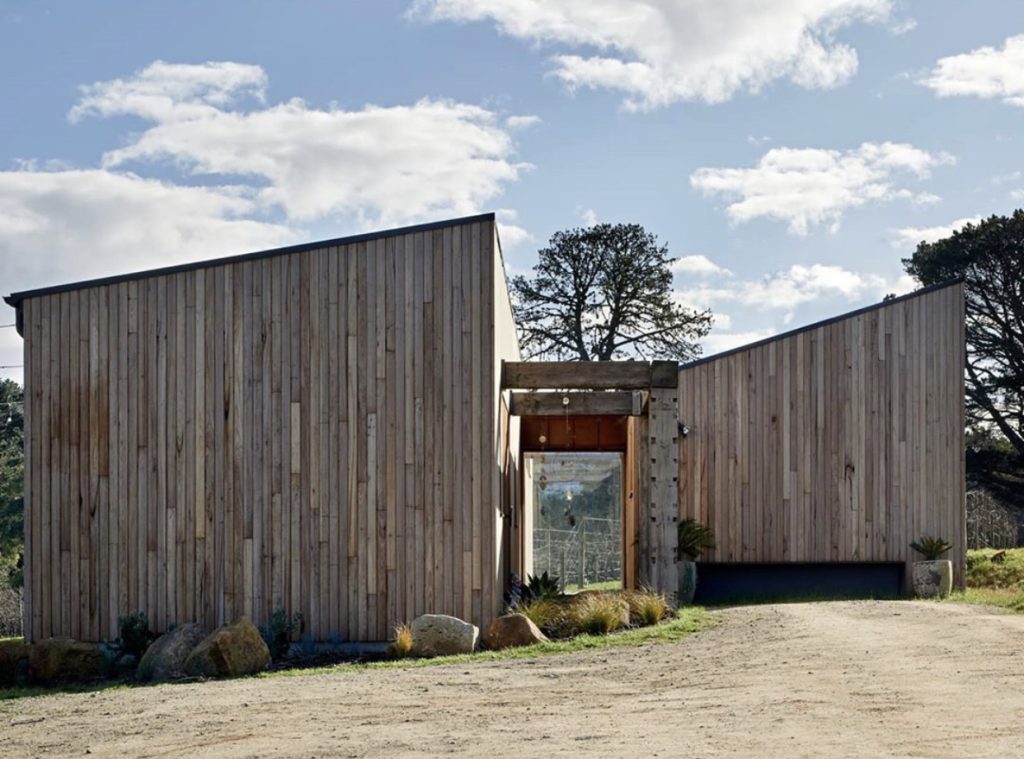
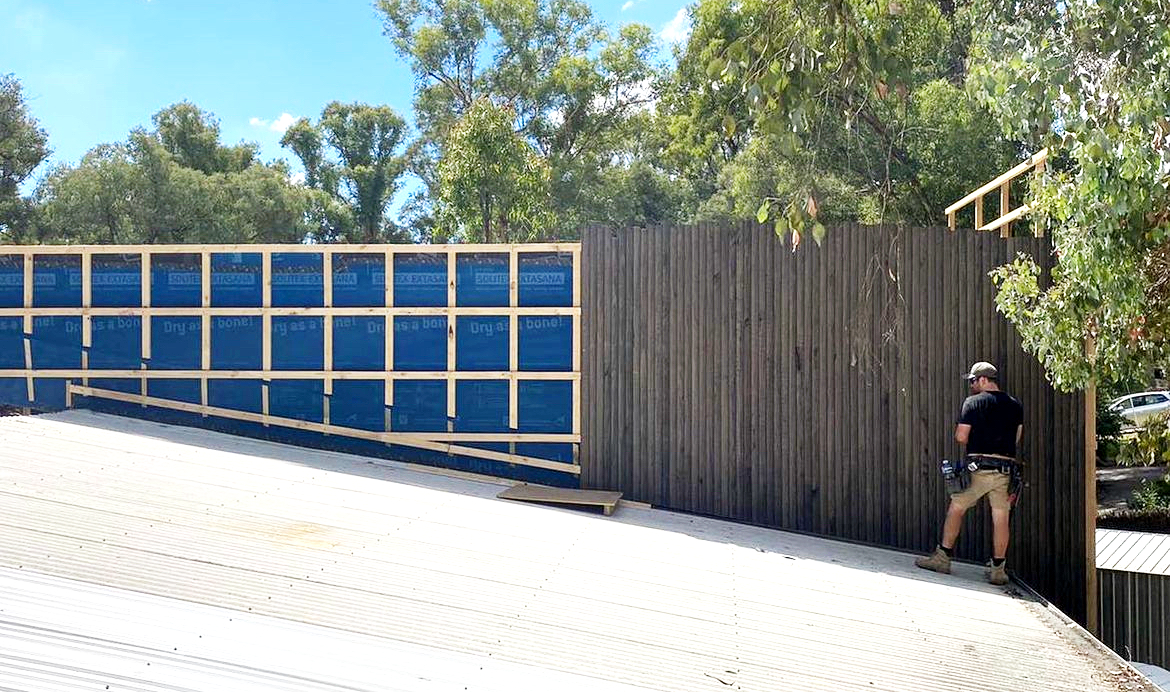
By embracing the aesthetic of irregularity, random lengths and mixed species can bring a visually dynamic texture to wall linings, ceilings, and facades, adding depth and uniqueness to a space.
Use shorter lengths as part of detailing that showcase offcuts, mixed lengths and species, or varied tones to craft spaces that feel authentic, layered, and alive.